Showing posts with label HOTS. Show all posts

Monday, September 18, 2017

Sheltering Wings with HOTS Lesson plan - English speaker classes

Name_______________________________ Date: ________________________

HOTS Logic: Underlying assumptions
Part 1.
What assumptions or emotive implications underlie these statements?

1. This method is scientifically proven to be effective


______________________________________________________________________
2.Thousands of people have already signed up: join now!


______________________________________________________________________


3. He always wanted to be famous: now he is famous, so he must be very happy.


______________________________________________________________________


4. Don’t use this method: it is based on outdated and old-fashioned ideas.


______________________________________________________________________


Over to you! State your opinion, and be ready to discuss:

5. Why do people make assumptions in their daily lives? How does this help them?


______________________________________________________________________


6. Can assumptions be harmful? In what way?
______________________________________________________________________


Sheltering Wings

Harriet Louise Jerome

It was intensely cold. Heavy sleds creaked as they scraped over the jeweled sounding board of dry unyielding snow; the signs above shop doors shrieked and groaned as they swung helplessly to and fro; and the clear, keen air seemed frozen into sharp little crystalline needles that stabbed every living thing that must be out in it. Business men hurried from shelter to shelter; every dog remained at home; not a bird was to be seen or heard. The sparrows had been forced to hide themselves in crevices and holes; the doves found protected corners and huddled together as best they could; many birds were frozen to death.

A dozen or more doves were gathered close under the cornice of the piazza of a certain house, trying with little success to keep warm. Some small sparrows, disturbed and driven from the cozy place they had chosen, saw the doves and came flying across the piazza.
“Dear doves,” chirped the sparrows, “won’t you let us nestle near you? Your bodies look so large and warm.”
“But your coats are frosted with cold. We cannot let you come near us, for we are almost frozen now,” murmured the doves sadly.
“So are we.”
“It looks so warm near your broad wings, gentle doves, Oh, let us come! We are so little, and so very cold!”
“Come,” cooed a dove at last, and a trembling little sparrow fluttered close and nestled under the broad white wing.
“Come,” cooed another dove, and another sparrow found comfort.
“Come! Come! Echoed another warm-hearted bird, and another until at last more than half the doves were sheltering small shivering sparrows beneath their own half-frozen wings.
“My sisters, you are very foolish,” said the other doves, “You mean well, but why do you risk your own beautiful lives to give life to worthless sparrows?”
“Ah! They were so small and so very very cold,” murmured the doves. “Many of us will perish this cruel night; while we have life let us share its meager warmth with those in bitter need.”
Colder and colder grew the day. The sun went down behind the clouds suffused with soft and radiant beauty, but more fiercely and relentlessly swept the wind around the house where the doves and sparrows waited for death.
An hour after sunset a man came up to the house and strode across the piazza. As the door of the hours closed heavily behind him, a little child watching from the window saw something jarred from the cornice fall heavily to the piazza floor.
“Oh papa,” she cried in surprise, “a poor frozen dove has fallen on our porch!”
When he stepped out to pick up the fallen dove the father saw the others under the cornice. They were no longer able to move or to utter a cry, so he brought them in and placed them in a room where they might slowly revive. Soon more than half of the doves could coo gratefully, and raise their stiffened wings. The out from beneath the wing of each revived dove fluttered a living sparrow.
“Look, papa!” cried the child. “Each dove that has come to life was holding a poor little sparrow close to her heart.”
They gently raised the wings of the doves that could not be revived. Not one had a sparrow beneath it.
Colder and fiercer swept the wind without cutting and more piercing grew the frozen crystalline needles of air, but each dove that had sheltered a frost-covered sparrow beneath her own shivering wings lived to rejoice in the glowing gladsome sunshine of the days to come.


Questions:
1. The story takes place _______________________________________________


2. What happened before the events of the story began? ________________________________________________________________________


3. Words in context:

a. What does “crevices and holes” mean? _____________________________________


b. piazza _______________________________________________________________


c. driven ________________________________________________________________


d. revive ________________________________________________________________


4. What is the setting of the story? ___________________________________________


5. What did the sparrows ask of the doves? ____________________________________


6. Why did some of the doves revive, and some not? ____________________________


7. Give an example from your own life that parallels the situation in the story.

________________________________________________________________________


Part 2. After reading the story:
A. After reading Sheltering Wings what assumptions do the doves that don’t help a sparrow make?


1. ____________________________________________________________________________


2. ____________________________________________________________________________


3. ____________________________________________________________________________


B. How is this proved wrong by later events?


___________________________________________________________________________
C. Why do some of the doves survive, and some don’t?

______________________________________________________________________________


D. How can you apply this to your own life?

_______________________________________________________________________________

_______________________________________________________________________________

E. Write 5 ways that you can do kindness to others

1. ________________________________________________________________________________

2. ________________________________________________________________________________

3. ________________________________________________________________________________

4. ________________________________________________________________________________

5. ________________________________________________________________________________


Author bio: Not much is known about this author, she wrote another story: Harriet Louise JEROME The Gap In The Fence [1898]


While you are reading this story, enjoy this beautiful music!


Sunday, March 6, 2016

The Road Not Taken Unit Planner With LOTS and HOTS

State of Israel

Ministry of Education
English Inspectorate


Unit Planner
Teacher’s Name:     Rachael Orbach                        
Date:    Feb 16, 20xx               
Name of School:              
Piece #:
Name of Literary Text: The Road Not Taken
Type: (poem/story/play/novel)     Poem                                             
Targeted Higher-Order Thinking Skills (HOTS) for Analysis and Interpretation
poem= 1 / short story = 2 / play or novel=3
Methodology used for Teaching HOTS (Inductive or Deductive)
1. Poem
Hand out #1
2.  Problem Solving

3.

Relevant Literary Terms to be Taught

Rhyme
Personification:

Targeted Benchmarks in the Domain of Appreciation of Literature and Culture

 Recognize the use of literary techniques in a variety of genres
 Interpret literary texts
 Are aware of the author’s background and the cultural, historical and/or social themes in literary texts or other cultural products
 Are aware of how cultural practices are reflected in various literary and cultural products


Unit Planner (continued)


Lesson # / Date
Key Components
Activity/ies
List of attached worksheets (when used)
1
Pre-Reading
Predict the content of the poem from the title
      1. The Road Not Taken Handout 1

2

Lots:
Make sure that the students understanding all the words.
Hand out #2 Translate the vocabulary
3
HOTS
Problem solving
HOTS Worksheet #3
4
Apply HOTS to text
Using the process of problem solving we now use it for the poem.
HOTS #4
5
Rhyme and Rhythm  scheme of the poem
Mark on the poem the rhyming lines. Theme,
personification

6
Bridging Text Biography of Robert Frost
What was Robert Frost thinking when he wrote thie poem?  Where was he?


Unit Planner (continued)
Lesson # / Date
Key Components
Activity/ies
List of attached worksheets (when used)
7
Post Reading Activity
Answer the questions in the handout


8
Reflection
Write in Journal about your  experience about learning this HOTS and the poem
How does this help you in your everyday life?

9
Summative assignment


Note: Every unit needs to include the seven key components:


State of Israel
Ministry of Education
English Inspectorate


Key Components Checklist
Use this checklist to be sure you have included all of the seven Key Components in each piece of literature you teach.
Key Component
Done
  1. Pre-Reading

  1. Basic Understanding (LOTS)

  1. Analysis and Interpretation
    • teach students HOTS explicitly (including definition of HOTS and appropriate vocabulary)

    • have students apply the targeted HOTS to the text

    • have students apply the targeted HOTS to their lives and other areas of learning

    • additional analysis and interpretation tasks (ex: literary terms, idiomatic expressions,etc.)

  1. Bridging Text and Context (quoted source & questions)

  1. Post-Reading Activity

  1. Reflection

  1. Summative Assessment (to be graded)

Hand out #1
The Road not Taken by Robert Frost.


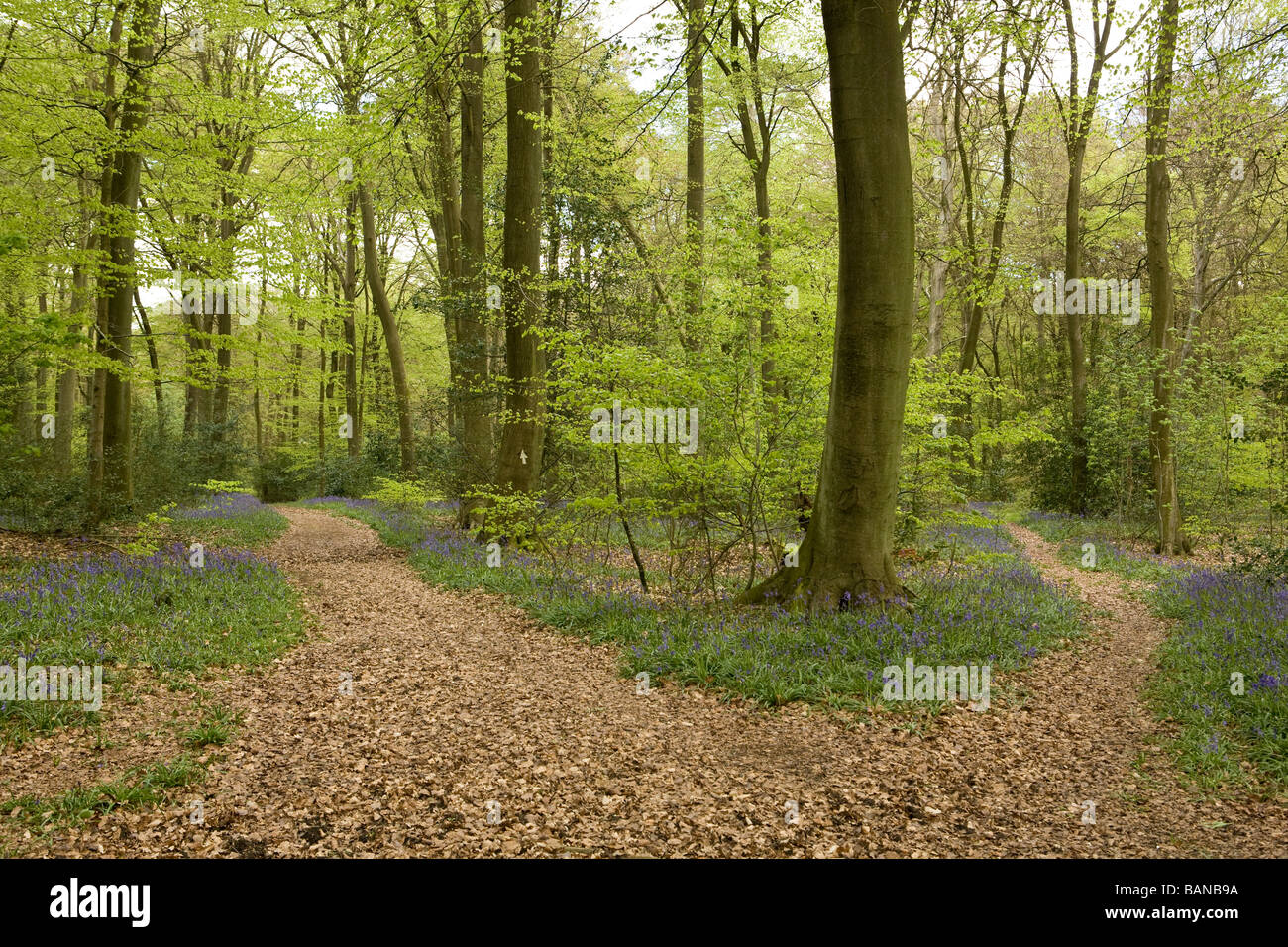
The roads diverged in a yellow wood, 
And sorry I could not travel both 
And be one traveler, long I stood 
And looked down one as far as I could 
To where it bent in the undergrowth; 

Then took the other, as just as fair, 
And having perhaps the better claim, 
Because it was grassy and wanted wear; 
Though as for the passing there 
Had worn them really about the same, 

And both that morning equally lay 
In leaves no step had trodden black. 
Oh, I kept the first for another day! 
Yet knowing how way leads on to way, 
I doubted if I should ever come back 

I shall be traveling this with a sigh 
Somewhere ages and ages hence; 
Two roads diverged in a wood, and I—— 
I took the one has traveled by, 
And that has made all the difference.


Handout #2
Vocabulary: Look up these words in your dictionary.
diverged
wood
undergrowth
stood
bent
fair
claim
wanted wear
worn
equally
lay
trodden
hence


Hand out #3  Lots Worksheet
Visualize the images-Paint a picture in your mind.  Do the images remind you of something?

Clarify words/phrases-Do certain words or phrases/figurative language stand out? Why?

Evaluate the poem’s theme-What message is the poet trying to send or help me understand?  Make inferences and draw conclusions based on the text in the poem.


Handout #4
Lots:  Helpful Vocabulary:  Use this vocabulary when speaking about choices  
advantage / disadvantage ..........................................
alternative ..........................................
cause ..........................................
choice ..........................................
choose ..........................................
conflict ..........................................
deal with ..........................................
difficult ..........................................
difficulty ..........................................
dilemma ..........................................
handle / have /
pose a problem ..........................................
make a decision ..........................................
option ..........................................
personal / serious problem ..........................................
problematic ..........................................
problems arise ..........................................
pros / cons ..........................................
resolve ..........................................
settle the matter ..........................................
similarity ..........................................
solution ..........................................
solve ..........................................
weighing possibilities ..........................................
Handout #5
HOTS  - Problem solving.- Learning strategies  and ways to solve problems.
What would you do if:
You are trying to choose what Major to choose in College:  Psychology or Communications
First you research both possibilities, what type of classes you need to take,
What are the future prospects of each major,
Which is more exciting to you?
Which can you earn more money?
Now list the advantages and disadvantages of each
Choose:


Think of a time when you had two alternatives.  Each of them had good points and bad points equally shared.  How did you decide what to do?


Give the good points of each


Give the bad points of each


Now that you have everything down on paper, Make a choice:


Hand out #6

The Road Not Taken and HOTS: Look at each path:.  Each of them had good points and bad points equally shared.  How did you decide what to do?


Give the good points of each


Give the bad points of each


Now that you have everything down on paper, Make a choice:


Handout #7

Theme of the poem: The theme is the overall feeling and idea that the poem is about.  
Why did the author call the poem “The Road Not Taken?”
Evaluate the poem’s theme-What message is the poet trying to send or help me understand?  


Make inferences and draw conclusions based on the text in the poem.


What made him think that he would never go back to the other road?


Why do we think that the road that was not taken was the beaten path?  (the one which was more traveled?


_________________________________________________________________________________


_________________________________________________________________________________


_________________________________________________________________________________


_________________________________________________________________________________


Personification is taking human characteristics and using them to apply to things or animals.   The thing then is related to as if it were a person.  
Find at least one personification in this poem.


_________________________________________________________________________________


Why is it effective?


Rhyme: Underline the rhyming words in the poem.
Rhythm : read the poem again and see if you can find the rhythm of the poem.
Listen to the poet reading the poem,  Is your rhythm different?
The Road Not Taken - Poets.org - Poetry, Poems, Bios & More http://www.poets.org/viewmedia.php/prmMID/15717


Handout #8
"Poetry withers and dies out when it leaves music, or at least imagined music, too far behind it. Poets who are not interested in music are, or become, bad poets." (Ezra Pound - American Poet and Critic)


Write a response to this quote in your journal.  What does this quote mean to you?
How does The Road Not Taken conform or not conform to this quote?


Reflection


Did learning the HOTS help you to understand this poem?
What tools do you now have that you didn't have before to help you make decisions?


_________________________________________________________________________________


_________________________________________________________________________________


_________________________________________________________________________________


Hand out #9
Summative assignment:


Frost had written Untermeyer two years previously that "I'll bet not half a dozen people can tell you who was hit and where he was hit in my Road Not Taken," and he characterized himself in that poem particularly as "fooling my way along." He also said that it was really about his friend Edward Thomas, who when they walked together always castigated himself for not having taken another path than the one they took. When Frost sent "The Road Not Taken" to Thomas he was disappointed that Thomas failed to understand it as a poem about himself, but Thomas in return insisted to Frost that "I doubt if you can get anybody to see the fun of the thing without showing them and advising them which kind of laugh they are to turn on." And though this sort of advice went exactly contrary to Frost's notion of how poetry should work, he did on occasion warn his audiences and other readers that it was a tricky poem.


Respond in your journal:
What did Frost mean when he wrote to his friend Untemeyer about the poem?  
What does “fooling my way along?”
Who did he write the poem for?
What is the poem about?
Why is the poem funny according to Thomas?


What does the poem mean to you?


_________________________________________________________________________________


Relate to this quote:


So, how many of us took the beaten path and know what is will be store for us? On the other hand, how many of us are daring enough to choose new pathways to life? 

I chose a new study pathway back in the early 1970s. It was a bad mistake. If I had chosen the traditional pathway. i will be a good lawyer or accountant by now. 

Similarly, those who chose to do biotechnology have come home to be unemployed but those that chose teaching has a job waiting for them. Life can be unfair, don't you think? 


We usually say that The Road Not Taken, is the better path, what does this student have to say about that?  
Write an e-mail back to the student and explain  the meaning of the poem in your own words.  


The Museum - Interactive Poetry Lesson

  The Museum - a poem by Rachael Alice Orbach BTW, I also wrote and performed the song, that is on YouTube.  When is the last time you read ...