Ministry of Education
English Inspectorate
Unit Planner
Teacher’s Name: Rachael Orbach
|
Date: Feb 16, 20xx
|
Name of School:
|
Piece #:
|
Name of Literary Text: The Road Not Taken
|
Type: (poem/story/play/novel) Poem
|
Targeted Higher-Order Thinking Skills (HOTS) for Analysis and Interpretation
poem= 1 / short story = 2 / play or novel=3
|
Methodology used for Teaching HOTS (Inductive or Deductive)
|
1. Poem
|
Hand out #1
|
2. Problem Solving
|
|
3.
|
|
Relevant Literary Terms to be Taught
|
|
Rhyme
Personification:
|
|
Targeted Benchmarks in the Domain of Appreciation of Literature and Culture
|
|
Recognize the use of literary techniques in a variety of genres
Interpret literary texts
Are aware of the author’s background and the cultural, historical and/or social themes in literary texts or other cultural products
Are aware of how cultural practices are reflected in various literary and cultural products
|
|
Unit Planner (continued)
Lesson # / Date
|
Key Components
|
Activity/ies
|
List of attached worksheets (when used)
|
1
|
Pre-Reading
|
Predict the content of the poem from the title
|
The Road Not Taken Handout 1
|
2
|
Lots:
|
Make sure that the students understanding all the words.
|
Hand out #2 Translate the vocabulary
|
3
|
HOTS
|
Problem solving
|
HOTS Worksheet #3
|
4
|
Apply HOTS to text
|
Using the process of problem solving we now use it for the poem.
|
HOTS #4
|
5
|
Rhyme and Rhythm scheme of the poem
|
Mark on the poem the rhyming lines. Theme,
personification
|
|
6
|
Bridging Text Biography of Robert Frost
|
|
What was Robert Frost thinking when he wrote thie poem? Where was he?
|
Unit Planner (continued)
Lesson # / Date
|
Key Components
|
Activity/ies
|
List of attached worksheets (when used)
|
7
|
Post Reading Activity
|
Answer the questions in the handout
|
|
8
|
Reflection
|
Write in Journal about your experience about learning this HOTS and the poem
How does this help you in your everyday life?
|
|
9
|
Summative assignment
|
|
|
|
|
|
|
|
|
|
|
|
|
|
|
Note: Every unit needs to include the seven key components:
State of Israel
Ministry of Education
English Inspectorate
Key Components Checklist
Use this checklist to be sure you have included all of the seven Key Components in each piece of literature you teach.
Key Component
|
Done
|
Pre-Reading
|
|
Basic Understanding (LOTS)
|
|
Analysis and Interpretation
|
|
|
|
|
|
|
|
|
|
|
Bridging Text and Context (quoted source & questions)
|
|
Post-Reading Activity
|
|
Reflection
|
|
Summative Assessment (to be graded)
|
|
Hand out #1
The Road not Taken by Robert Frost.
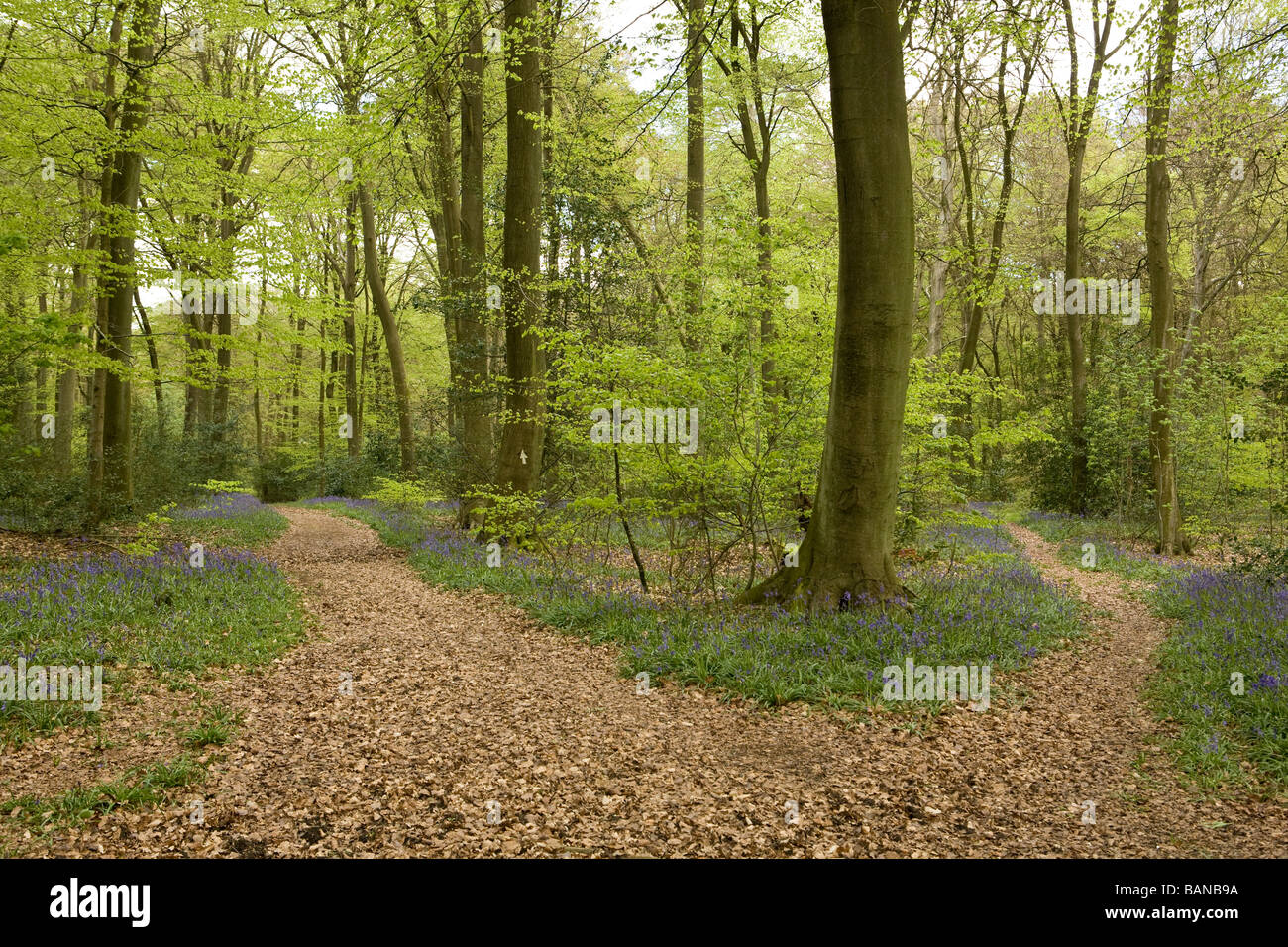
The roads diverged in a yellow wood,
And sorry I could not travel both
And be one traveler, long I stood
And looked down one as far as I could
To where it bent in the undergrowth;
Then took the other, as just as fair,
And having perhaps the better claim,
Because it was grassy and wanted wear;
Though as for the passing there
Had worn them really about the same,
And both that morning equally lay
In leaves no step had trodden black.
Oh, I kept the first for another day!
Yet knowing how way leads on to way,
I doubted if I should ever come back
I shall be traveling this with a sigh
Somewhere ages and ages hence;
Two roads diverged in a wood, and I——
I took the one has traveled by,
And that has made all the difference.
|
|
Handout #2
Vocabulary: Look up these words in your dictionary.
diverged
wood
undergrowth
stood
bent
fair
claim
wanted wear
worn
equally
lay
trodden
hence
Hand out #3 Lots Worksheet
Visualize the images-Paint a picture in your mind. Do the images remind you of something?
Clarify words/phrases-Do certain words or phrases/figurative language stand out? Why?
Evaluate the poem’s theme-What message is the poet trying to send or help me understand? Make inferences and draw conclusions based on the text in the poem.
Handout #4
Lots: Helpful Vocabulary: Use this vocabulary when speaking about choices
advantage / disadvantage ..........................................
alternative ..........................................
cause ..........................................
choice ..........................................
choose ..........................................
conflict ..........................................
deal with ..........................................
difficult ..........................................
difficulty ..........................................
dilemma ..........................................
handle / have /
pose a problem ..........................................
make a decision ..........................................
option ..........................................
personal / serious problem ..........................................
problematic ..........................................
problems arise ..........................................
pros / cons ..........................................
resolve ..........................................
settle the matter ..........................................
similarity ..........................................
solution ..........................................
solve ..........................................
weighing possibilities ..........................................
Handout #5
HOTS - Problem solving.- Learning strategies and ways to solve problems.
What would you do if:
You are trying to choose what Major to choose in College: Psychology or Communications
First you research both possibilities, what type of classes you need to take,
What are the future prospects of each major,
Which is more exciting to you?
Which can you earn more money?
Now list the advantages and disadvantages of each
Choose:
Think of a time when you had two alternatives. Each of them had good points and bad points equally shared. How did you decide what to do?
Give the good points of each
Give the bad points of each
Now that you have everything down on paper, Make a choice:
Hand out #6
The Road Not Taken and HOTS: Look at each path:. Each of them had good points and bad points equally shared. How did you decide what to do?
Give the good points of each
Give the bad points of each
Now that you have everything down on paper, Make a choice:
Handout #7
Theme of the poem: The theme is the overall feeling and idea that the poem is about.
Why did the author call the poem “The Road Not Taken?”
Evaluate the poem’s theme-What message is the poet trying to send or help me understand?
Make inferences and draw conclusions based on the text in the poem.
What made him think that he would never go back to the other road?
Why do we think that the road that was not taken was the beaten path? (the one which was more traveled?
_________________________________________________________________________________
_________________________________________________________________________________
_________________________________________________________________________________
_________________________________________________________________________________
Personification is taking human characteristics and using them to apply to things or animals. The thing then is related to as if it were a person.
Find at least one personification in this poem.
_________________________________________________________________________________
Why is it effective?
Rhyme: Underline the rhyming words in the poem.
Rhythm : read the poem again and see if you can find the rhythm of the poem.
Listen to the poet reading the poem, Is your rhythm different?
Handout #8
"Poetry withers and dies out when it leaves music, or at least imagined music, too far behind it. Poets who are not interested in music are, or become, bad poets." (Ezra Pound - American Poet and Critic)
Write a response to this quote in your journal. What does this quote mean to you?
How does The Road Not Taken conform or not conform to this quote?
Reflection
Did learning the HOTS help you to understand this poem?
What tools do you now have that you didn't have before to help you make decisions?
_________________________________________________________________________________
_________________________________________________________________________________
_________________________________________________________________________________
Hand out #9
Summative assignment:
Frost had written Untermeyer two years previously that "I'll bet not half a dozen people can tell you who was hit and where he was hit in my Road Not Taken," and he characterized himself in that poem particularly as "fooling my way along." He also said that it was really about his friend Edward Thomas, who when they walked together always castigated himself for not having taken another path than the one they took. When Frost sent "The Road Not Taken" to Thomas he was disappointed that Thomas failed to understand it as a poem about himself, but Thomas in return insisted to Frost that "I doubt if you can get anybody to see the fun of the thing without showing them and advising them which kind of laugh they are to turn on." And though this sort of advice went exactly contrary to Frost's notion of how poetry should work, he did on occasion warn his audiences and other readers that it was a tricky poem.
Respond in your journal:
What did Frost mean when he wrote to his friend Untemeyer about the poem?
What does “fooling my way along?”
Who did he write the poem for?
What is the poem about?
Why is the poem funny according to Thomas?
What does the poem mean to you?
_________________________________________________________________________________
Relate to this quote:
So, how many of us took the beaten path and know what is will be store for us? On the other hand, how many of us are daring enough to choose new pathways to life?
I chose a new study pathway back in the early 1970s. It was a bad mistake. If I had chosen the traditional pathway. i will be a good lawyer or accountant by now.
Similarly, those who chose to do biotechnology have come home to be unemployed but those that chose teaching has a job waiting for them. Life can be unfair, don't you think?
We usually say that The Road Not Taken, is the better path, what does this student have to say about that?
Write an e-mail back to the student and explain the meaning of the poem in your own words.